

Resource Scheduling & Contract-Based Selling
When you sell space, capacity, or time, visibility and coordination matter more than features.
The Problem
Some organizations don’t sell products — they sell:
- Space
- Capacity
- Time
- Configurations of limited resources
Common challenges include:
- Unclear availability
- Manual contracts and invoicing
- Difficulty with capacity planning
- Limited visibility into utilization
Generic tools often force these businesses to work around the system instead of with it.
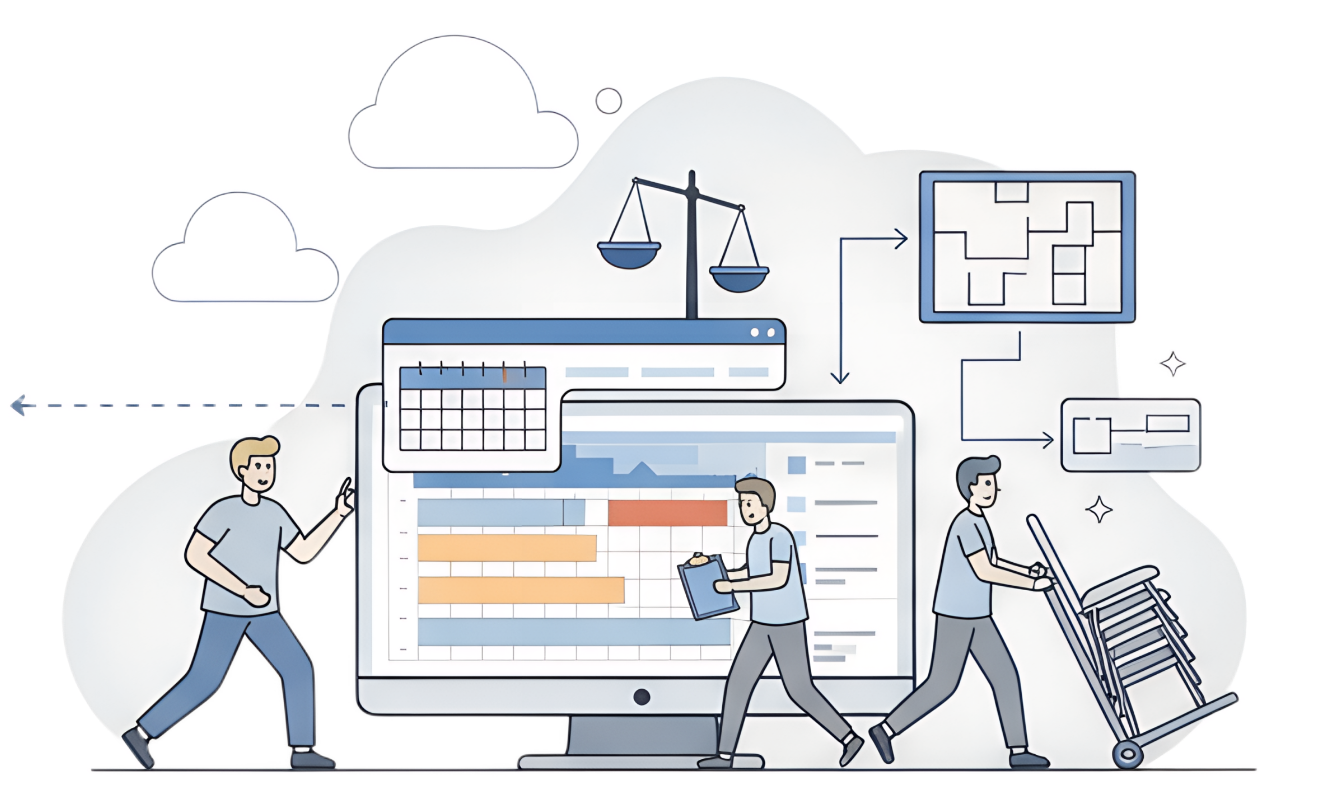
Why This Is Harder Than It Looks
When the “product” is a resource over time:
- Availability must be managed carefully
- Commitments overlap
- Contracts and billing are tightly connected
- Small errors have outsized impact
Most systems treat resource-based selling as an exception.
For these organizations, it is the business.
How We Approach It
When capacity is the product, visibility and coordination matter more than features.
We design systems that treat capacity itself as the core business object — not something buried in calendars, contracts, or sales orders.
Instead of managing availability through disconnected calendars, contracts, or manual coordination, we focus on giving each resource a clear, structured lifecycle that reflects how it can actually be sold, scheduled, and delivered over time.
That means:
Defining a fixed set of resalable resources with clear constraints
Modeling availability windows, time slots, and usage rules explicitly
Tying contracts and agreements directly to reserved capacity
Preventing conflicts and overbooking before they occur
Making utilization, availability, and future capacity visible at a glance
The goal is to bring clarity and predictability to capacity-based businesses — without forcing everything into rigid event or scheduling software that doesn’t reflect how the business really operates.
A fixed set of resalable resources
Clear availability windows and time slots
Contracts tied directly to capacity
Conflict prevention and overbooking visibility
Capacity forecasting and utilization insight
The result is a system that brings clarity and control to finite capacity — without overbooking, manual coordination, or last-minute surprises.
Who This Is For
This solution is a strong fit for organizations that:
- Sell space, capacity, or time
- Operate with shared or constrained resources
- Need reliable scheduling and contracts
- Want better insight into capacity planning
The model matters more than the label.

One Example of How This Works in Practice
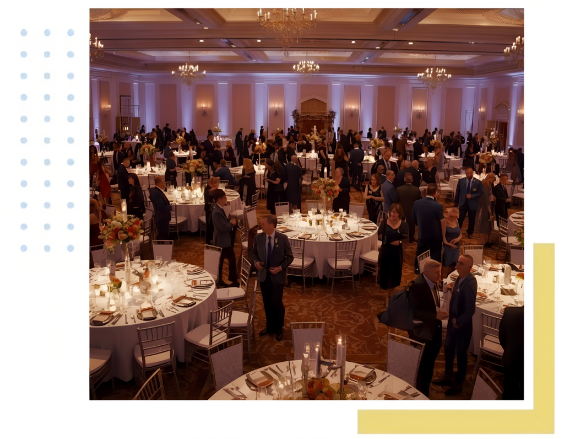
We’ve implemented this pattern in organizations that sell limited, shared resources and need confidence in their scheduling and commitments.
In one example, a facility managing reservations, contracts, and billing needed a system that matched how they actually operated — not one built for a different business model.
By simplifying the workflow and aligning it with real-world operations, they gained clarity and reduced friction without overengineering the solution.
How We Build These Systems Today
These solutions are built on a modern CRM and automation platform that supports:
- Resource-aware workflows
- AI-assisted analytics
- AI-assisted automation
- Integration with financial systems
Technology supports planning — it doesn’t complicate it.
See How This Works in Practice
Short examples showing how structured work can be managed without forcing it into standard CRM cases.

These examples demonstrate how CRM can support capacity-driven operations without overbuilt systems.
How This Gets Built
Solutions like resource scheduling and contract-based selling require custom development tailored to your specific capacity model.
This is typically delivered through P2 Managed Services:
- We design the system around what you actually sell (space, time, capacity, resources)
- Build custom availability tracking, reservation workflows, and contract management
- Create scheduling logic specific to your resources and constraints
- Integrate with calendaring, billing, and operational systems
- Provide ongoing optimization and support as your capacity model evolves
Managed Services means we become your CRM team—handling strategy, development, and ongoing refinement so you can focus on running your business.
Looking for proven operational tools instead?
If you don’t need custom resource scheduling and just want better day-to-day CRM tools, explore P2 Control Layer—productized solutions like View Scheduler, Activity Center, and P2 Tags with transparent monthly pricing.
Ready to Solve Resource Scheduling?
Whether you need custom capacity management (Managed Services) or proven operational tools (P2 Control Layer), we can help.